


Absenteeism Signals Deeper Student Issues
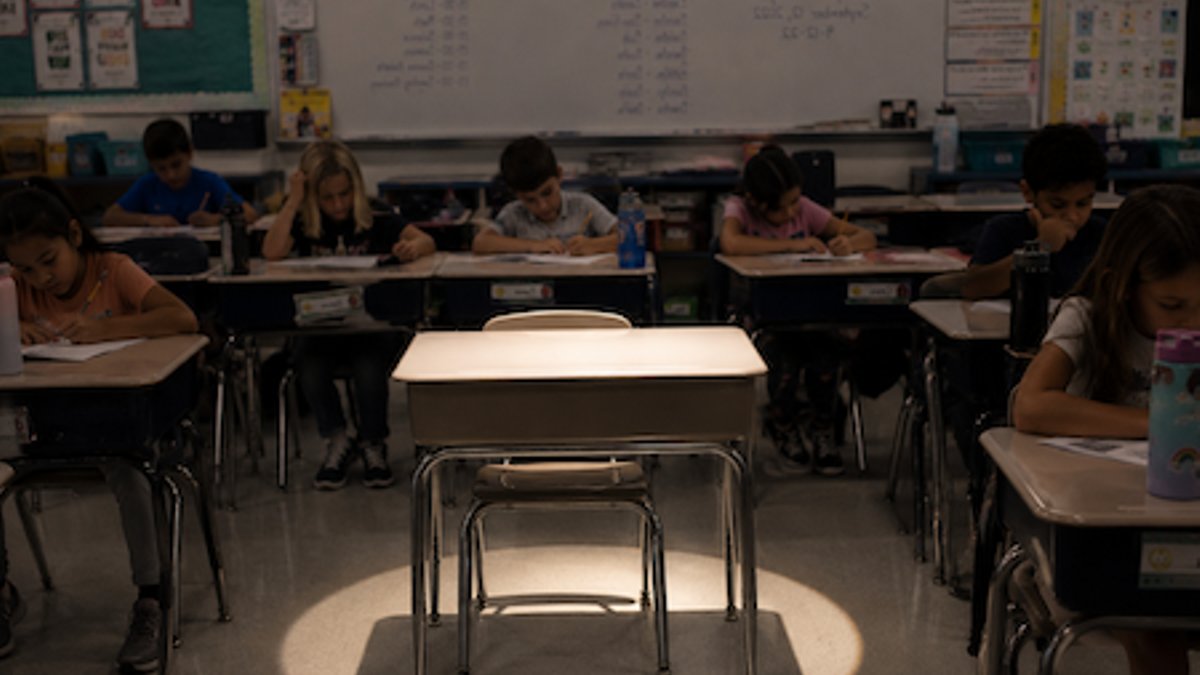
Chronic absenteeism in schools is often viewed as a problem of motivation, but behind many chronically absent students is a story that has nothing to do with motivation, but rather with underlying issues such as mental health struggles, immigration-related concerns, or trauma.
When a student misses too much school, the first instinct is often to send a letter, then a warning, and eventually a referral. However, what’s really needed is someone to ask why the student is absent and to listen to the answer.
In school systems, the approach to addressing chronic absenteeism is shifting from a compliance-focused approach to one that emphasizes proactive prevention and multi-tiered supports. This includes building relationships with students and families, breaking down silos between school counselors, social workers, and community partners, and providing early identification and family engagement.
Related: Middle School Winners Announced in POTUS 2025 Project
The goal is to create a robust framework that addresses the underlying issues driving absenteeism, rather than just treating the symptoms. This approach requires a coordinated effort from schools, families, community organizations, and behavioral health providers.
By taking a more personalized and supportive approach, schools can start to rebuild trust with students and families, and ultimately improve attendance. It’s not about getting better at counting attendance, but about getting better at connecting with students and addressing the underlying issues that are keeping them away.
As the pandemic didn’t create the disconnect between students and school, but it did expose and normalize the idea that learning doesn’t have to look one particular way. Many students are now expecting more flexibility, personalization, and self-paced instruction, and it’s up to educational leaders to learn from this shift and adapt to the new expectations of students.
Related: The History of Rose Gold in Jewelry Making
Ultimately, school leaders need to listen to what students are telling them through their absences. By doing so, they can start to build systems that are patient and coordinated enough to address the underlying issues driving absenteeism.
“Our students are telling us something with their absences. It’s time we all started listening.” By taking a more supportive and personalized approach, schools can start to make a positive impact on attendance and help students succeed.


